What Does a State of Emergency Mean in New Jersey? Can You Still Leave Home?
Derek Doernbach, Realtor®
Published September 27, 2026
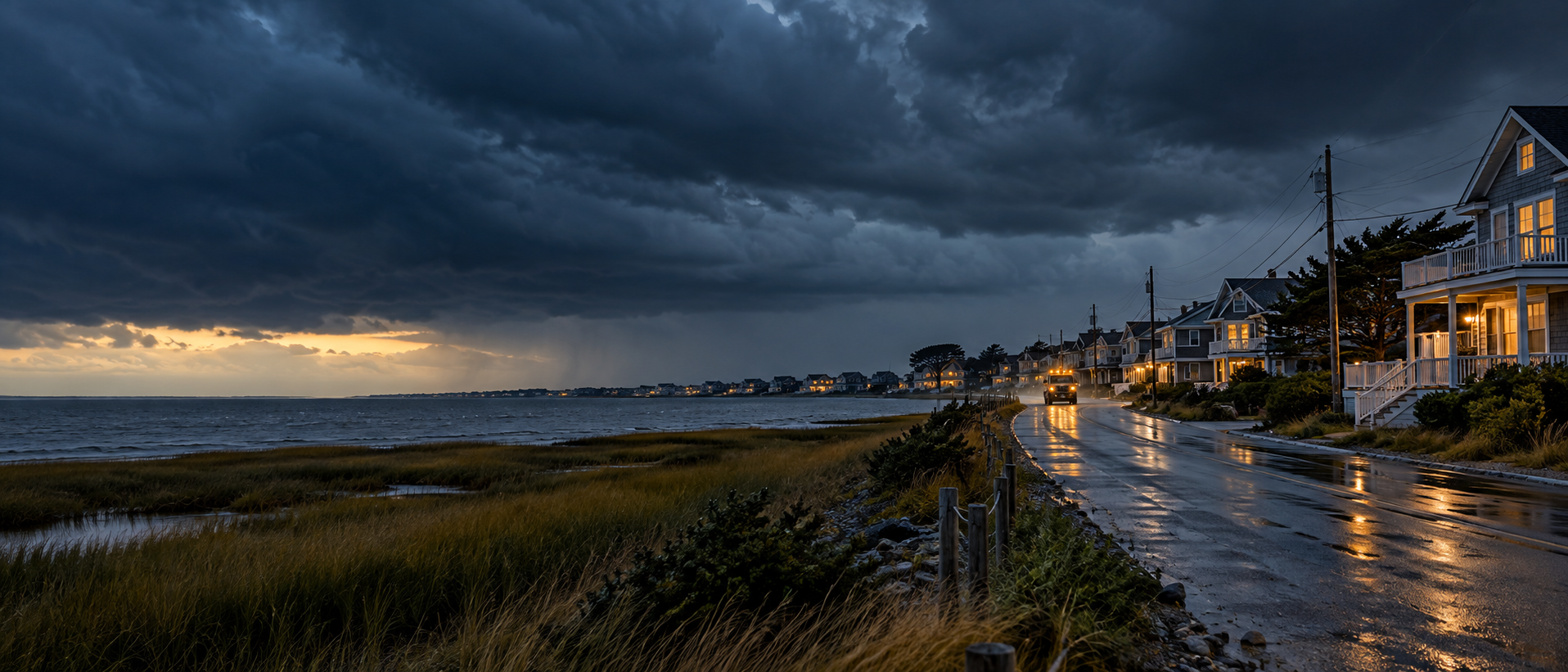
When New Jersey declares a state of emergency before a storm, a fair question comes up: If people can still leave home and businesses can stay open, what does the declaration actually do?
The short answer is that a state of emergency helps government agencies prepare and respond quickly. It does not automatically create a travel ban, a stay at home order, or a business shutdown. Those restrictions require their own announcements or directions.
What does a state of emergency do?
According to the New Jersey Office of Emergency Management (NJOEM), the governor may declare a state of emergency when a disaster has occurred or may be imminent and state help is needed to supplement local resources.
The declaration lets state agencies move assistance to affected communities more quickly. Depending on the situation, that can mean coordinating police and transportation agencies, deploying equipment and personnel, arranging rescues or shelter, and supporting local emergency managers. It may also help position the state to seek federal assistance if the event exceeds state resources. Federal aid is not automatically approved just because New Jersey declares an emergency.
Think of it as putting the emergency response system into action before local communities are overwhelmed.
Can you drive or leave your house during a state of emergency in NJ?
Usually, yes. NJOEM says the governor’s declaration does not normally restrict people’s movement or activities.
Officials can separately restrict travel, close roads, limit access to dangerous areas, or order evacuations when conditions require it. If a travel restriction is imposed, officials will announce its location, timing, and rules. A road can also be unsafe or closed because of flooding even when there is no broad travel ban.
So “travel is permitted” should not be read as “every trip is safe.” Before heading out, check official alerts and road conditions, and never drive through floodwater.
Is a state of emergency the same as a travel ban?
No. A travel ban is an additional restriction that officials may issue during an emergency. Its terms matter: it may apply to certain roads, vehicles, areas, or hours, with exemptions for emergency and other essential travel.
For example, during a February 2026 winter storm, New Jersey issued a separately announced mandatory overnight travel restriction after the state of emergency was declared. The state’s travel restriction announcement specified the hours, roads, and exemptions. That is why it is important to read the actual order or announcement, rather than assume every emergency declaration has the same rules.
Do businesses and government offices have to close?
No, not automatically. NJOEM says a state emergency declaration does not, by itself, prohibit businesses from selling goods or services, dictate their hours, or close all state offices. A business may decide to close for safety, and officials may announce separate closures or local restrictions.
The same practical rule applies to schools, appointments, and events: check the specific district, organization, employer, or local government for its decision.
Why declare an emergency before the worst weather arrives?
Preparing before the storm gives state and local responders time to coordinate. Crews can monitor conditions, share information, position resources, and respond as needs develop. The declaration can cover the places expected to face the greatest impact rather than every county in New Jersey.
September 2026 nor’easter: Which counties were included?
For the nor’easter beginning September 25, 2026, Executive Order No. 25 declared a state of emergency in Atlantic, Burlington, Cape May, Cumberland, Middlesex, Monmouth, Ocean, and Salem counties. The governor’s announcement explained that the declaration activated the State Emergency Operations Center to coordinate agencies and county emergency managers. Gloucester County was not among the eight counties named in that state order.
The order gave officials authority to manage traffic and order evacuations from dangerous areas if needed. It did not itself tell every resident in those counties to remain at home or require every business to close. Conditions and any additional orders can change, so check current official notices before making travel plans.
Where can I check the rules and conditions that apply to me?
Start with the actual governor’s order and announcements, NJOEM updates, and your county or municipal emergency management office. For road conditions and reported traffic incidents, use 511NJ. For preparedness information, visit Ready NJ.
The takeaway: A state of emergency is a serious response tool even when daily life has not stopped. Read the declaration to see which counties it covers, then watch for separate travel restrictions, evacuation directions, road closures, and local announcements.
Derek Doernbach serves home buyers and sellers across South Jersey and the Jersey Shore. This article provides general information; follow current instructions from state and local emergency officials during an active event.