How to Buy a House and Sell Your Current Home at the Same Time in New Jersey
By Derek Doernbach
Published September 30, 2026
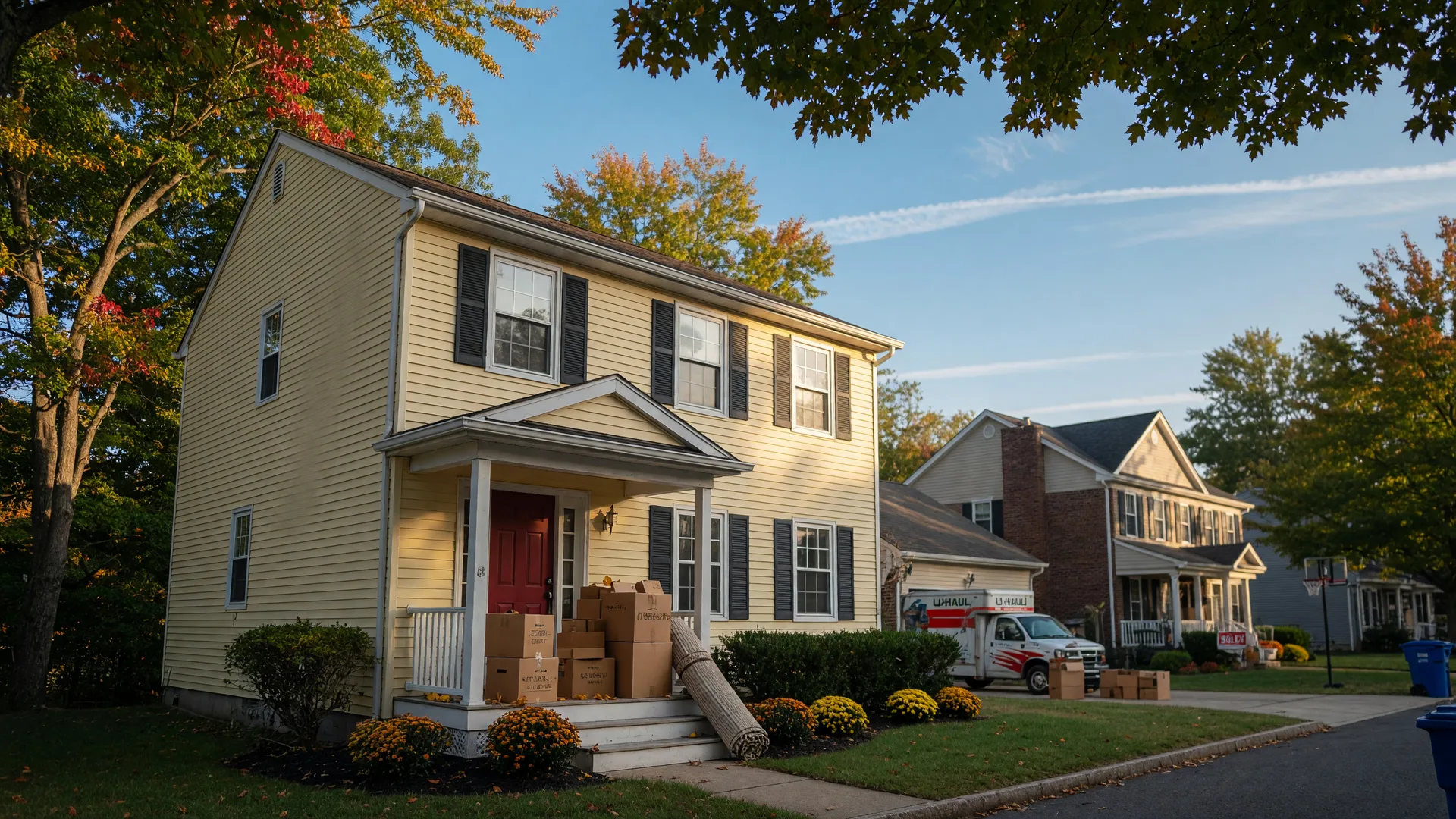
Yes, you can buy a new home before selling your current one in New Jersey, and it is a common situation for move-up buyers across Atlantic County and the Jersey Shore. The four practical paths are selling first with a rent-back, buying first with two mortgages, making a contingent offer, or bridging the gap with a bridge loan or home equity line of credit. Which one fits depends on your equity, your income, the strength of the market you are selling into, and how much financial risk you can comfortably carry.
This guide is written for South Jersey homeowners who are growing their family, moving up to a larger home, relocating within the region, or simply ready for a change. It covers how each strategy works in New Jersey, what the contracts really say, where the costs hide, and how to plan the timing so the sale and the purchase line up instead of colliding.
Can you buy a new home before selling your current one in New Jersey?
Yes. There is no New Jersey rule that forces you to sell before you buy. The practical question is whether you can qualify for the financing, cover two sets of housing costs if the timing goes wrong, and make an offer strong enough to win the home you want. That last part matters more in a competitive market, because sellers in towns like Egg Harbor Township, Galloway, Northfield, and Linwood often receive multiple offers and may not wait months for your current home to close.
Every residential purchase contract in New Jersey includes the three-business-day attorney review period, so both lawyers get a chance to review the terms before anything becomes binding. That review window is one of the reasons a well-planned move-up transaction can be structured and restructured safely, but it also means you should have realistic terms set before you sign, not plan to fix them later. Our guide to the NJ 3-day attorney review and Opinion 26 walks through how that process works.
Strategy 1: Sell first, then rent back from the buyer
The simplest path is to sell your current home first, close, and then stay in the home for a short time as a tenant of the buyer. In New Jersey this is called a use and occupancy agreement, more commonly known as a rent-back. You get all the advantages of selling with a clear, non-contingent closing, the buyer gets the home and takes ownership on schedule, and you get 30 to 60 days to move into your next place without a stressful same-day double move.
The details are negotiated by the attorneys: the occupancy period, a per-diem rent that typically covers the buyer's carrying costs, a security deposit (often held from your proceeds), who pays utilities, and what happens if you do not vacate on time. Agreeing to a definite move-out date in writing is important. If you need flexibility, ask for it in the agreement rather than hoping the buyer will be patient.
One limitation to plan around: many mortgage programs, including Fannie Mae and Freddie Mac owner-occupancy rules, restrict how long the buyer can allow a seller to stay after closing, commonly 60 days or less. If your move-out date needs to be longer, confirm with the buyer's lender before anyone signs.
- Best for: sellers who need certainty and can find a temporary home or line up their next purchase within 30 to 60 days.
- Watch out for: paying double housing costs during the rent-back, lender limits on the occupancy period, and the temptation to let the move-out date slip.
Strategy 2: Buy first, then sell (the two-mortgage path)
Buying first means closing on your new home while you still own the old one, then selling afterward. The upside is a stress-free move: you never need temporary housing, you can take your time preparing the old house for sale, and your offer on the new home carries no sale contingency, which makes it far more competitive.
The catch is financial. Your lender will qualify you with both mortgage payments on the books, and you will carry two payments, plus taxes and insurance on both properties, from the day you close on the new home until the old one sells. Lenders look at your debt-to-income ratio with both payments included and at the cash reserves you can show. If the old home has meaningful equity, a bridge loan or HELOC can supply the down payment, but the payments are still yours to cover in the meantime.
- Best for: buyers with strong income, solid savings, and a current home likely to sell quickly.
- Watch out for: a slow market. If the old home sits unsold for months, the double payments add up fast.
Strategy 3: Make a contingent offer on your next home
A home sale contingency says your offer on the new home is conditioned on selling your current one. New Jersey contracts include standardized provisions for this, but contingency carries real weight: if you cannot sell, the seller of your new home can be left with a dead deal and a lost selling season.
Because of that risk, sellers often reject contingent offers when they have a non-contingent alternative, and many add a kick-out clause. A kick-out lets the seller keep marketing the home and gives you a short window, typically a few days, to either remove your sale contingency or let the deal go. That is a fair mechanism, not a trap, but you need to be ready to act quickly if it is triggered.
If you go this route, strengthen your position before you start: be fully pre-approved, have your current home priced and listed, and be ready to show a marketing plan and a realistic timeline. In a balanced market a contingent offer with a strong pre-approval can still win. In a bidding war, expect it to be the reason you lose.
- Best for: buyers with limited funds to bridge the gap who are selling into an active market.
- Watch out for: the kick-out clause and the possibility that your dream home goes to a cleaner offer.
Strategy 4: Bridge the gap with a bridge loan or HELOC
A bridge loan is a short-term loan, typically six to twelve months, secured by the equity in your current home. It gives you cash for the down payment and closing costs on the new house, and it lets you make a non-contingent offer because you are not waiting on a sale. Bridge loans usually carry higher rates and fees than a standard mortgage, and many are interest-only, meaning you make interest payments now and pay the principal back when the old home sells.
A home equity line of credit (HELOC) is the lower-cost cousin. It is a revolving credit line secured by your current home's equity, often cheaper to set up than a bridge loan, and you draw only what you need. Lenders typically want to see meaningful equity in the home, commonly in the range of 15 to 20 percent, and they check your combined debt-to-income ratio with both properties included.
One practical note from lenders: for a true bridge loan, many require your current home to be actively listed for sale. If you want the flexibility to hold the old home off the market while you hunt for the new one, a HELOC set up before you list gives you more freedom. Either way, talk to a mortgage lender early, because both options depend on your equity, credit profile, and debt-to-income numbers. Starting with the right questions is easier when you have a list: see the 30 questions to ask a mortgage lender in New Jersey.
- Best for: owners with meaningful equity who want a strong, non-contingent offer.
- Watch out for: double payments plus bridge interest, and the risk if your current home sells slowly or below your expectations.
What South Jersey sellers should know about timing
The sale side of a move-up transaction has its own calendar, and it starts before you list. Many Atlantic County towns require a municipal inspection or certificate of occupancy before a sale can close, and knowing your town's rules early protects your timeline. Our town-by-town guide to municipal inspections in Atlantic County covers which towns require what, so you are not surprised by a repair list in the middle of your move.
You also want a realistic read on how long homes in your price range are taking to sell. The South Jersey market update is refreshed monthly with county-level median prices, days on market, and inventory from NJAR FastStats, and it is the same data I use when advising move-up sellers on whether to list now or wait for the next wave of buyers.
Finally, price your current home for the market it is actually in. Move-up buyers in towns like Egg Harbor Township, Galloway, Northfield, and Linwood are comparing your home against freshly listed competition every week. An overpriced listing sits, and a sitting listing is the fastest way to turn a strong move-up plan into a double-payment problem.
How to choose the right approach
There is no single right answer, but four questions will point you to yours:
- How much equity is in your current home? Meaningful equity makes bridge financing and HELOCs possible. Little or no equity pushes you toward selling first or a contingent offer.
- Can your income support two mortgages at once? If the answer is comfortably yes, buying first becomes realistic. If it is tight, rent-back or contingency keeps your risk lower.
- How active is the market for your current home? In an active market, a contingent offer or a quick sale with a rent-back works well. In a slow market, buying first can leave you carrying two properties for months.
- What makes your move easier emotionally? Double moves and temporary housing are real costs. Some families prefer paying for the certainty of a rent-back; others would rather carry two payments than move twice.
Meet with your lender first, then your agent, then your attorney. That order matters because financing dictates which strategies are even available to you. Once you know your numbers, an experienced South Jersey agent can help you decide how aggressive your offer should be and how to position your current home to sell on schedule. The selling guide and buying guide on this site cover the full process on both sides of the transaction.
The financial picture: capital gains, closing costs, and the appraisal gap
Three money items deserve attention before you commit to a strategy. First, capital gains: if you have lived in your current home as your primary residence for at least two of the past five years, most of the profit is excluded from federal tax, up to $250,000 for single filers and $500,000 for married couples filing jointly. The exact impact depends on your situation, so confirm the numbers with your tax professional.
Second, closing costs stack up on both transactions. When you sell, New Jersey's realty transfer fee applies, and when you buy, you will pay lender fees, title costs, and other settlement charges. Budgeting for both closings, not just the purchase, is essential.
Third, the appraisal gap. If homes in your new target town are selling above their appraised value, you may need to make up the difference in cash. That money competes with your bridge loan, your down payment, and your reserves, so plan for it before you fall in love with a house.
Key takeaways
- You can buy before you sell in New Jersey; the real question is which financing and timing strategy fits your equity, income, and risk tolerance.
- Selling first with a rent-back (a New Jersey use and occupancy agreement) is the lowest-risk path when you can move within 30 to 60 days.
- Bridge loans and HELOCs turn your current home's equity into a strong, non-contingent offer, but they add payments you carry until the old home sells.
- Contingent offers work best in a balanced market and can lose to cleaner offers when sellers have choices; kick-out clauses are standard.
- Check your town's municipal inspection rules, price your current home for the actual market, and confirm lender rent-back limits before you sign anything.
Frequently asked questions
Is it better to sell first or buy first in New Jersey?
There is no universal answer. Selling first is lower risk and gives you cash to work with, but you may need temporary housing. Buying first avoids the double move but means carrying two payments until your current home sells. Your equity, income, and local market conditions decide which is better for you.
Can I make an offer on a new house before my current one sells?
Yes. You can make a contingent offer, or you can use a bridge loan or HELOC to buy without waiting for your sale. A non-contingent, financed offer is usually more competitive than a contingent one.
How long can a seller rent back after closing in New Jersey?
Rent-backs commonly run 30 to 60 days, structured as a use and occupancy agreement with a per-diem rent, security deposit, and a definite move-out date. Many mortgage programs limit the buyer's occupancy requirement, often to 60 days or less.
What is a kick-out clause?
A kick-out clause lets the seller of the home you want keep marketing it while your offer is contingent on selling your current home. If another acceptable offer arrives, you get a short window to remove your contingency or the seller can accept the other buyer.
How much equity do I need for a bridge loan or HELOC?
Lenders generally want meaningful equity, commonly around 15 to 20 percent in the home, plus a credit profile and debt-to-income ratio that can carry the additional payments. Bridge loans often require your current home to be actively listed for sale.
Does the 3-day attorney review apply when I buy and sell at the same time?
Yes. Every residential purchase contract in New Jersey, including both sides of a move-up transaction, carries the three-business-day attorney review period. It is why coordinating both transactions with attorneys who understand the timing matters.
Sources and references
- North Central Jersey Association of REALTORS: Real Estate Contract Contingencies Home sale and home close contingencies in NJ contract terms
- Spiller & Archer LLP: Real Estate Purchase Contingencies in New Jersey Contingency terms and kick-out provisions in NJ purchase contracts
- NJ Closing Guide: Navigating Use & Occupancy Agreements Rent-back structure: occupancy period, per-diem rent, security deposit, move-out date
- Rybar Law: Use and Occupancy Agreements in New Jersey Home Sales How U&O agreements work after closing in NJ
- HomeLight: Bridge Loans in New Jersey Bridge loan terms, timing, and qualification for NJ buyers
- New American Funding: New Jersey HELOC Guide Equity, credit, and debt-to-income expectations for NJ HELOCs
- Zager Fuchs: The Mortgage Contingency in New Jersey How the financing contingency and deadlines work in NJ contracts
Loan programs, lender requirements, and contract terms change, and every transaction is different. Figures and practices in this article reflect general NJ market practice as of the publish date. Confirm the specifics of your situation with your lender, your agent, and your New Jersey real estate attorney.
Not sure whether to sell first, buy first, or bridge the gap? Let's map out the timing together: your equity, your budget, both markets you are moving between, and a plan that protects your family from a stressful pinch.

About Derek Doernbach
Derek Doernbach is a Realtor® with Your Jersey Shore Team at Century 21 Action Plus Realty in Northfield, NJ. Since 2016 he has closed 192 real estate transactions as a single agent and has helped homeowners across Atlantic County, the Jersey Shore, and South Jersey buy and sell with honest guidance, modern marketing, and clear communication. He has been recognized with the New Jersey Realtors® Circle of Excellence Award every year since 2019.