How to Sell a Condo or Townhouse at the Jersey Shore: A Seller's Guide for Atlantic County

Derek Doernbach, Realtor®
Published August 19, 2026 · 12 min read
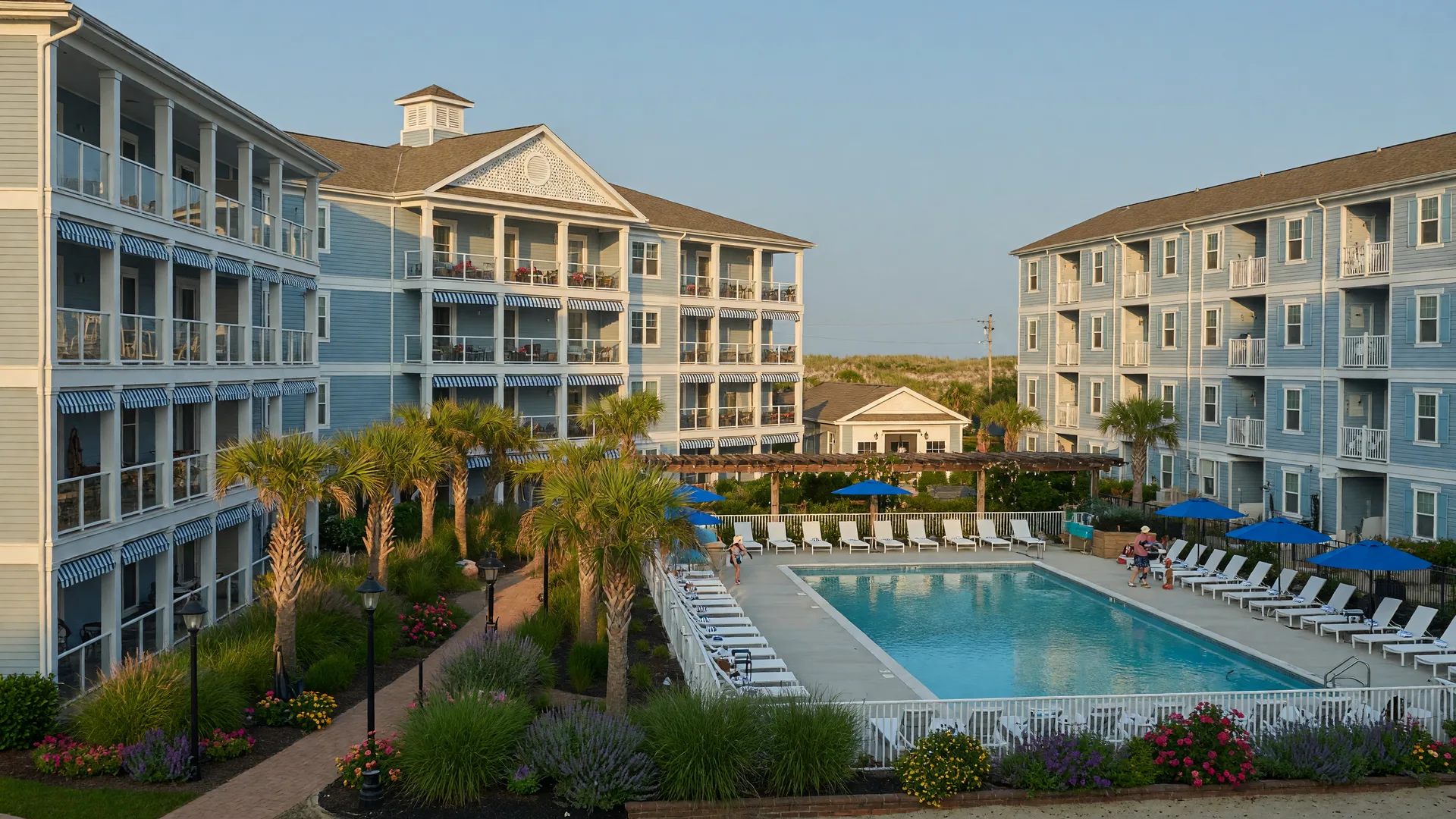
Condos and townhouses make up a significant portion of the housing stock across Atlantic County shore communities. From high-rise oceanfront towers in Atlantic City to garden-style condos in Brigantine, bayfront townhomes in Somers Point, and villa-style communities in Egg Harbor Township — if you own a condo or townhouse at the Jersey Shore and are thinking about selling, the process involves more than just putting a sign in the ground and waiting for offers.
Selling a condo or townhouse is different from selling a single-family home. You are selling not just your individual unit but also the buyer's confidence in the homeowners association (HOA), the community's financial health, the special assessment risk, the flood insurance requirements, and the rules that come with shared ownership. A buyer who loves your unit may walk away if they do not like the HOA's financials, pending lawsuits, or reserve fund balance.
This guide is for owners of condos and townhouses in Atlantic County shore communities — including Brigantine, Atlantic City, Ventnor, Margate, Longport, Somers Point, Northfield, Linwood, Egg Harbor Township, Galloway, Absecon, Pleasantville, and other South Jersey communities with attached housing. Whether you are selling a primary residence, a second home, an inherited unit, or an investment condo, here is what you need to know to sell with confidence.
Key Takeaways
- New Jersey law requires sellers of condos to provide a resale certificate with HOA financials, bylaws, pending assessments, and insurance information — this is one of the first things a buyer's attorney will review
- Flood insurance affects many shore condos, especially ground-floor and bayfront units — have your flood zone and policy info ready before listing
- Municipal occupancy inspections vary by town — Atlantic City requires a condo occupancy permit with inspection, while other towns have different rules for condos versus single-family homes
- Buyers and their lenders will scrutinize the HOA's financial health, reserve fund, insurance coverage, and any special assessments or pending litigation
- Having your HOA documents, resale certificate, and flood disclosure ready before listing creates a smoother process and stronger offers
Why Selling a Condo Is Different from Selling a Single-Family Home
When you sell a single-family home, the buyer is evaluating one thing: your property. When you sell a condo or townhouse, the buyer is evaluating two things: your unit and the entire homeowners association. A well-run HOA with healthy reserves, good insurance, and reasonable fees is a major selling point. An HOA with underfunded reserves, pending special assessments, or active litigation can scare buyers away even if your unit is beautifully updated.
This is not just a buyer preference issue. Fannie Mae, Freddie Mac, FHA, and VA all have specific requirements for condo lending. If the HOA does not meet those requirements — for example, if the FHA has delisted the complex from its approved-condo list, or if the owner-occupancy ratio has fallen below 50% — buyers may not be able to get financing for your unit, which dramatically shrinks your buyer pool.
Bottom line: Selling a condo at the Jersey Shore means selling the community as much as it means selling the unit. The preparation work starts before you even list the property.
Step 1: Get the HOA Documents Ready
Under the New Jersey Condominium Act (N.J.S.A. 46:8B-1 et seq.), sellers of condominium units must provide a resale certificate to the buyer before the contract becomes binding. This requirement also applies to townhomes governed by a homeowners association under the Planned Real Estate Development Full Disclosure Act (PREDFDA).
What the Resale Certificate Includes
The resale certificate typically contains:
- Financial health of the association — current operating account balance, reserve fund balance, annual budget
- Bylaws and rules and regulations — what owners can and cannot do (rental restrictions, pet rules, parking, exterior modifications)
- Pending special assessments — any planned or approved assessments for capital improvements that the buyer would inherit
- Pending lawsuits — any active litigation involving the association that could affect the property or HOA finances
- Insurance coverage — what the HOA's master policy covers and what the buyer needs to insure separately
- Your unit's account statement — current HOA fee status, any unpaid balances or violations
The resale certificate can take time to prepare. The HOA management company typically charges a fee (often $200 to $500) and may need 7 to 14 days to produce the documents. Do not wait until you have an accepted offer to request this. Starting the process before you list gives you time to review the documents, correct any errors, and address any issues that could slow down a sale.
Review the Documents Before Listing
I recommend asking your HOA management company for a copy of the most recent resale certificate and the association's financial statements before you list your unit. This lets you spot potential issues early:
- If the reserve fund is underfunded, buyers may worry about future special assessments
- If there is pending litigation, talk to your Realtor about how to position it and whether it affects buyer financing
- If there are rental restrictions that limit owner-occupancy ratios, that may affect FHA and VA financing for buyers
Being proactive about HOA documentation is one of the simplest ways to avoid surprises during the attorney review period.
Step 2: Understand Flood Insurance for Condos
Flood insurance is a major consideration for many Jersey Shore condos — especially in communities along the oceanfront, bayfront, and back-bay areas of Atlantic County. If your condo complex is in a FEMA Special Flood Hazard Area (Zone VE or AE), flood insurance is required if the buyer uses a federally backed mortgage. Even in moderate-risk Zone X, many buyers and lenders still require it for shore properties.
Master Policy vs. Individual Policy
One of the most confusing aspects of condo flood insurance is understanding what the HOA's master policy covers and what the buyer needs to cover individually. In many shore condos, the HOA carries a master flood insurance policy that covers the building structure and common areas. The unit owner is then responsible for insuring personal property and interior improvements (flooring, cabinets, built-ins, appliances) inside the unit.
However, the specific split varies by community. Some condos require individual unit owners to carry their own flood policy for everything inside the walls. Others wrap more coverage into the master policy. Buyers need to understand the specific arrangement before closing, and having this information organized and available in your disclosures helps them feel confident moving forward.
New Jersey Flood Disclosure Law
As of March 2024, New Jersey law requires all residential sellers to provide specific flood-related disclosures as part of the Property Condition Disclosure Statement. This applies to condos and townhouses too. You must disclose:
- Whether the property is in a FEMA Special Flood Hazard Area or 500-year floodplain
- Whether you have ever filed a flood damage claim
- Whether you have received FEMA disaster assistance for flood damage
Even if you live on the third floor of a high-rise, the ground-floor common areas and parking garage may be in a flood zone — so read through the disclosure carefully. Your Realtor can help you research the correct flood designation for your complex.
Step 3: Check Municipal Occupancy Requirements
New Jersey does not have a statewide certificate of occupancy requirement for condo resales, but individual municipalities may have their own rules. In Atlantic County, the requirements vary significantly by town:
- Atlantic City — Under Chapter 194 of the Atlantic City Code, all condominium transfers and rentals require an occupancy permit. The city requires an inspection of the unit before the permit is issued. This is not optional; the sale cannot close without the permit. Expect to address smoke detectors, CO detectors, handrails, electrical safety, and general habitability standards.
- Brigantine — The city requires a smoke detector and CO detector certification for all property transfers, including condos. No full certificate of occupancy is typically required for resale condos, but the detector certification must be completed by a qualified professional before closing.
- Ventnor and Margate — Both require a certificate of occupancy for property transfers, including condos. The inspection covers life-safety items and may require compliance with the current fire code. Timing matters — in peak summer months, municipal inspection appointments can have lead times of two weeks or more.
- Somers Point, Northfield, Linwood, Egg Harbor Township, Galloway — These towns typically require a smoke detector and CO detector certification for condo transfers but do not issue a full certificate of occupancy for existing units. However, if your condo community has rental units or was recently renovated, additional inspections may apply.
The best way to know exactly what your condo needs is to check your town's municipal code or ask your Realtor to look it up. Having your inspections scheduled before listing — or at least knowing what is required — prevents last-minute delays when you have an accepted offer and a closing date on the calendar.
Step 4: Know What Buyers Ask About Condos and Townhouses
Buyers evaluating condos and townhouses at the Jersey Shore ask different questions than single-family home buyers. Understanding what they care about helps you prepare your unit and your disclosures to address their concerns before they become objections.
The Most Common Buyer Questions
- How much are the HOA fees and what do they cover? — Buyers want to know exactly what their monthly fee pays for: water, sewer, trash, snow removal, landscaping, pool maintenance, insurance, reserve fund contributions, and management fees.
- Are there any special assessments? — A planned or recent special assessment is one of the most common deal-breakers for condo buyers. If the association recently completed a major roof replacement or is planning a facade renovation, buyers want to know how much and when.
- Can I rent out the unit? — Many shore condos have rental restrictions. Some allow unlimited short-term rentals (weekly, nightly). Others require minimum 30-day rentals or prohibit rentals entirely. Buyers who want to use the condo as a second home or investment need to understand these restrictions before they commit.
- Are pets allowed? — Pet restrictions are a common HOA rule. Buyers with dogs need to know weight limits, breed restrictions, and whether pets are even permitted.
- What is the owner-occupancy ratio? — FHA and VA loans require specific owner-occupancy percentages (typically at least 50% owner-occupied for FHA). If your complex has a high percentage of investor-owned or rental units, it may limit the financing options available to buyers.
- Is the complex FHA-approved or VA-approved? — If your complex is not on the FHA-approved condo list, buyers using FHA financing cannot purchase units in the complex. This is a critical question for complexes with a high percentage of first-time buyers.
Insurance: What the Master Policy Covers vs. What the Buyer Needs
Condo insurance is different from single-family home insurance in a way that often confuses buyers. The HOA's master policy typically covers the building structure, common areas, and liability for shared spaces. The unit owner is responsible for:
- Personal property (furniture, clothing, electronics)
- Interior improvements and upgrades (flooring, cabinets, countertops, built-in appliances that differ from the original build)
- Loss assessment coverage (for when a special assessment is needed due to an insured loss)
- Liability for injuries occurring inside the unit
Having a summary of the HOA's master insurance policy available for prospective buyers shows that the complex is well-managed and removes a common source of buyer anxiety.
Step 5: Prepare Your Condo for Showings
Condo showings have different dynamics than single-family home showings. Buyers are often touring multiple units in the same complex, so they are comparing your unit directly with your neighbors' units. The difference between a sold unit and one that sits on the market often comes down to preparation and presentation.
Presenting Better Than the Neighbors
In a condo complex with multiple similar units for sale, the best-prepared unit wins. Here is where to focus your effort:
- Depersonalize and declutter — Condos tend to have less square footage than single-family homes, so every square foot matters. Remove excess furniture, personal photos, and clutter to make rooms feel larger.
- Maximize natural light — Open blinds and curtains for showings. Clean windows inside and out. Good light makes condo units feel more spacious and inviting.
- Focus on the balcony, patio, or deck — For many shore condo buyers, the outdoor space is a primary motivator. Clean and stage your balcony or patio with simple outdoor furniture to show how the space can be used.
- Highlight recent upgrades — New flooring, fresh paint, updated kitchen or bathroom, new appliances, and modern fixtures differentiate your unit from others in the complex. Make sure your listing highlights what is different about your unit.
Photography and Marketing
Condos benefit from the same professional marketing approach as single-family homes. Professional photography that captures the unit's best angles, views, and natural light is essential. Many shore condos have ocean, bay, or city views that are best shown during golden hour or a clear morning. A Matterport 3D tour is especially valuable for condos — out-of-town buyers can walk through the unit from home and compare it to other units in the complex without multiple in-person visits.
Step 6: Disclosures and the Seller's Property Condition Statement
When selling a condo or townhouse in New Jersey, you are required to complete the same Seller's Property Condition Disclosure Statement as any other residential seller. This covers known material defects in structural systems, plumbing, electrical, HVAC, water damage, and environmental hazards. The flood disclosure requirements (effective March 2024) also apply.
In addition to the standard disclosures, the HOA's resale certificate provides its own set of disclosures about the community. Between the two documents, your buyer should have a complete picture of your unit and the association before closing.
Being thorough and transparent in your disclosures protects you from future legal claims and builds trust with buyers. If there is an issue with the unit — a past water leak, an older HVAC system, a known roof issue in the complex — disclosing it upfront is always better than letting the buyer discover it during inspection and wondering what else you are not telling them.
Frequently Asked Questions About Selling a Condo at the Jersey Shore
Can I sell my condo if the HOA has pending litigation?
Yes, you can sell, but pending litigation can affect your buyer pool. Some lenders are reluctant to approve mortgages in complexes with active litigation. FHA and VA have specific rules about litigation that may restrict financing. If your HOA has pending litigation, talk to your Realtor about how to position it. In some cases, the litigation is minor and has little impact. In others, it may limit your potential buyers to cash offers or non-FHA/VA financing.
How long does the condo resale certificate take to get?
Typically 7 to 14 days from the date you request it from the HOA management company. Some management companies are faster, and some slower depending on the time of year. In summer months at the shore, when many transactions are happening, it can take longer. Request the resale certificate before you list your unit so you are not waiting on documents with an accepted offer in hand.
How much does the condo resale certificate cost?
The fee varies by management company but typically ranges from $200 to $500. Some associations charge a flat fee that covers document preparation, while others charge separately for document retrieval, expedited processing, and transfer fees. It is worth asking your HOA management what the full cost will be so there are no surprises.
Do I need a certificate of occupancy to sell my shore condo?
It depends on your municipality. Atlantic City requires an occupancy permit with inspection for all condo transfers. Ventnor and Margate require a certificate of occupancy. Brigantine requires a smoke detector and CO detector certification but not a full CO. Other towns handle it differently. Check your town's municipal code or ask your Realtor to verify the requirements before you list.
What if my condo complex is not FHA-approved?
If your complex is not on the FHA-approved condo list, buyers using FHA financing cannot purchase in the complex. The same applies to VA financing for complexes not on the VA-approved list. This reduces your buyer pool but does not prevent you from selling — conventional financing and cash buyers are still an option. If your complex was previously FHA-approved and is now delisted, your Realtor can help you understand whether re-certification is possible.
Do HOA fees affect what buyers can afford?
Yes. Lenders include HOA fees in the buyer's debt-to-income ratio calculation. A condo with high HOA fees may be out of reach for some buyers even if the purchase price is within their budget. This is one reason why it helps to understand how your complex's fees compare to other similar communities in the area — your Realtor can run comparable data to position your unit competitively.
Should I sell my shore condo furnished or unfurnished?
This depends on your buyer demographic. Many second-home and investment buyers at the Jersey Shore prefer a furnished unit because it saves the cost and hassle of outfitting the property. If your furnishings are in good condition and fit the coastal aesthetic, selling furnished can be a selling point. If your furniture is dated or worn, it may hurt the presentation — in that case, staging or selling unfurnished may be the better choice. Discuss this with your Realtor to decide what is best for your specific market and price point.
If you are thinking about selling a condo or townhouse in Atlantic County — whether it is an oceanfront unit in Brigantine, a bayfront townhome in Somers Point, a high-rise condo in Atlantic City, or a garden-style unit in Egg Harbor Township — I can help you understand your unit's value, prepare your disclosures, and create a marketing plan that reaches the right buyers. Let's talk about your situation.
Derek Doernbach, Realtor®
Century 21 Action Plus Realty | Your Jersey Shore Team
Derek has been helping South Jersey families buy and sell homes since 2016. He has closed 192 transactions and earned the New Jersey Realtors® Circle of Excellence Award every year since 2019. He represents condo and townhouse sellers throughout Atlantic County and the Jersey Shore — from Brigantine and Atlantic City to Somers Point, Ventnor, Margate, and beyond. Licensed in New Jersey (1645208).
Sources and References
- New Jersey Condominium Act — N.J.S.A. 46:8B-1 et seq.
- Planned Real Estate Development Full Disclosure Act (PREDFDA) — N.J.S.A. 45:22A-21 et seq.
- New Jersey Real Estate Consumer Protection Enhancement Act — effective 2024
- New Jersey Flood Disclosure Law — S3110/A4783, effective March 20, 2024
- FEMA Flood Map Service Center — msc.fema.gov (accessed August 2026)
- City of Atlantic City Code — Chapter 194: Occupancy Permits for Condominium Units
- City of Brigantine Code — Smoke Detector/CO Certification Requirements
- City of Ventnor Code — Certificate of Occupancy Requirements
- City of Margate Code — Certificate of Occupancy Requirements
- FS Residential — What to Know About a New Jersey Resale Certificate
- Bronzino Law — Managing HOA Home Sales and Purchases in New Jersey
- Stark & Stark — Legal Authorities Governing Condominium Associations in New Jersey