What Home Repairs Are Worth Doing Before Selling a South Jersey Home
By Derek Doernbach, REALTOR® | Century 21 Action Plus Realty | Your Jersey Shore Team
Published October 15, 2026
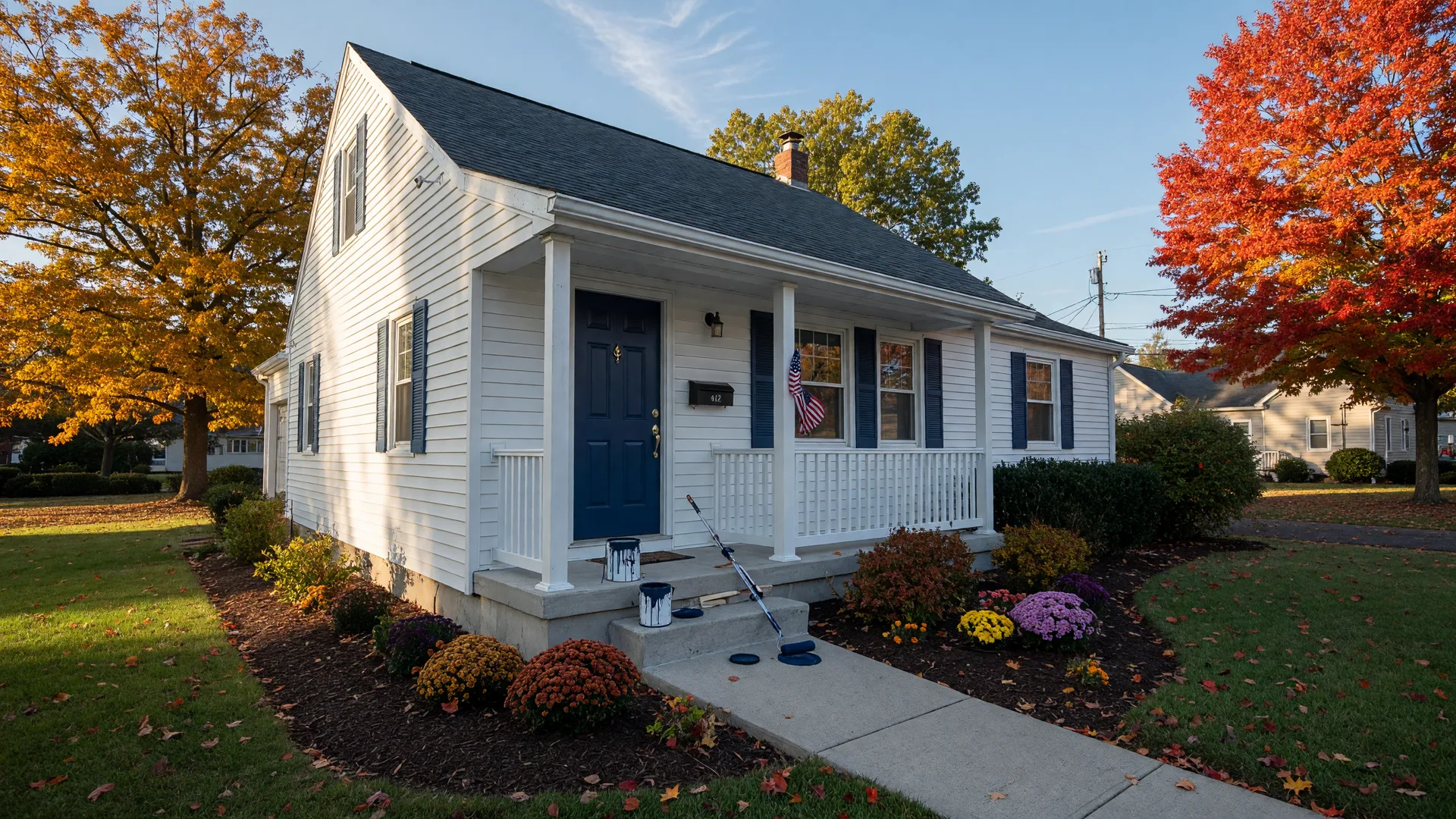
Most home repairs are not worth doing before you sell. In the 2025 Remodeling Impact Report from the National Association of Realtors, only a handful of projects recovered anywhere near their full cost at resale, and a full kitchen or bathroom remodel was not one of them. The work that does pay off is targeted: fresh paint, a strong front door, working mechanical systems, and anything your town or New Jersey law requires before a sale can close.
This guide is for homeowners preparing to sell in Atlantic County and across the Jersey Shore and South Jersey, from Egg Harbor Township and Galloway to the barrier-island towns of Brigantine, Ventnor, Margate, and Longport. It covers which projects actually move your sale price, which fixes are required by law or by your town, and which expensive upgrades are usually better left to the next owner.
Quick answer: Fix what is broken, what is required, and what buyers see in the first ten seconds, and skip the full remodels. Spend money on a deep clean, fresh paint where it is worn, a strong front door, and working heating, cooling, plumbing, and electrical systems. Then confirm what your town requires at resale: the state-mandated smoke detector and carbon monoxide alarm certificate in every New Jersey town, plus any municipal certificate of occupancy or inspection where it applies. Most sellers get the best return by fixing inspection-level defects rather than renovating.
What This Article Covers
- Which repairs actually pay off
- The cheap fixes buyers notice first
- Required repairs: the law and your town
- What a home inspection will flag
- Coastal and waterfront considerations
- Mainland South Jersey: wells, septic, and Pinelands
- Repairs that are not worth it
- How to decide what to fix
- Key takeaways
- Frequently asked questions
- Next steps for your sale
Which home repairs actually pay off before selling?
The 2025 Remodeling Impact Report from the National Association of Realtors and the National Association of the Remodeling Industry found that small, targeted upgrades recover more of their cost at resale than big remodels. Replacing a steel front door recovered 100% of its cost, a closet renovation recovered 83%, a new fiberglass front door 80%, and new vinyl windows 74%. By comparison, a minor kitchen upgrade recovered only 60%, a bathroom addition 56%, and a full bathroom renovation 50%.
The same report asked REALTORS what they most often recommend sellers do before listing: painting the entire home was recommended by 50% of agents, painting a single room by 41%, new roofing by 37%, and a kitchen upgrade by 30%. The pattern is consistent: buyers reward a home that looks clean, current, and well maintained, not a home with expensive brand-new finishes they did not choose.
The cheap fixes buyers notice first
In the first ten seconds of a listing photo or a front-door tour, buyers are forming an opinion. The fixes below are inexpensive, fast, and consistently move how a home is perceived. They rarely require a permit or a contractor.
- Paint. Touch up or repaint rooms with heavy wear, and repaint the front door in a clean, neutral color. Paint is the single most recommended pre-listing project in NAR's data, and it is one of the least expensive.
- Front entry. Replace or clean the door hardware, house numbers, and porch light. A fresh entry reads as a well-cared-for home.
- Details. Replace cracked outlet and switch plates, fix sticking doors and drawers, tighten wobbly railings, and re-grout or replace missing bathroom caulk.
- Deep clean. Steam-clean carpets, clean grout and windows, and wash interior walls and baseboards. Clean sells better than renovated in many cases.
- Curb appeal. Mow, edge, mulch beds, trim shrubs, and clear the driveway. Curb appeal sets the tone for the whole tour.
Presentation is where Derek's marketing approach starts: professional photography, video, and Matterport 3D tours make a well-prepped home stand out in a crowded South Jersey market. See how he preps listings in the guide to selling your South Jersey home for the most money and the Matterport 3D tour guide.
Required repairs: what New Jersey law and your town demand
Some repairs are not optional. Before any residential sale in New Jersey can close, you have to satisfy the requirements below. These are the items where skipping the work can actually hold up a closing.
Smoke detector and carbon monoxide certificate. Under the New Jersey Uniform Fire Safety Act (N.J.S.A. 52:27D-192) and the state fire code (N.J.A.C. 5:70-2.3), a seller must obtain a Certificate of Smoke Detector and Carbon Monoxide Alarm Compliance before a one- or two-family home is sold or changes occupancy. The certificate comes from the local fire department or fire prevention bureau after an inspection, so verify the detectors and CO alarms are installed, working, and up to code before you schedule it. This applies in every New Jersey town.
Municipal inspection and certificate of occupancy. New Jersey does not require a statewide certificate of occupancy for residential resales, but many Atlantic County municipalities do. The rules vary town by town, and knowing yours early is one of the most practical steps you can take. Derek's Atlantic County town-by-town inspection guide walks through which communities require what, from full COs to simple smoke and CO certificates.
Flood disclosure. New Jersey has required specific flood-risk disclosures on residential sales since March 20, 2024. The disclosure covers FEMA flood-hazard-area information and the seller's actual knowledge of flooding on the property. If your home has flooded, document it now, not at contract time. The flood insurance and flood zone guide explains what owners and buyers should check.
Private well testing. If your home is on a private well, the New Jersey Private Well Testing Act generally requires a certified water test before the sale closes. The cost is modest, but it is non-negotiable for most well-served properties.
What a home inspection will flag
The buyer's home inspection happens after the contract is signed, and it is where repair requests get born. Common negotiation points in South Jersey include the age and condition of the roof, HVAC, water heater, electrical service, plumbing, and any signs of water intrusion or mold.
Fixing major system issues before listing puts you in control of cost and timing. After the inspection, a buyer can ask for a credit, ask for the repair, or in the worst case walk away. A pre-listing inspection, paid for by you, tells you what a buyer will find and lets you decide which items to repair and which to disclose up front.
Some conditions can stop a buyer's financing entirely. For example, an FHA buyer generally cannot close on a home with knob-and-tube wiring until the system is addressed, so a seller who knows about it can plan ahead rather than lose a contract. See Derek's knob-and-tube wiring and FHA guide for what that means. When you do hire contractors, use licensed, insured, registered professionals: Derek's guide to hiring a contractor or handyman in New Jersey covers NJHIC registration and the written-contract rules.
Coastal and waterfront considerations
Shore properties come with their own repair list. Salt air corrodes exterior hardware, railings, and fixtures faster than mainland homes, and storm-driven moisture works its way into siding, decks, and windows. Before listing a barrier-island or waterfront home, walk the exterior with a critical eye and address rusted railings, rotted trim, failing exterior paint, and loose deck boards.
Buyers, their lenders, and their insurers will also ask about flood risk. For properties in FEMA flood zones, that means an elevation certificate, current flood insurance, and often a home that meets or exceeds the base flood elevation. Tidelands and riparian claims can affect waterfront parcels where docks, bulkheads, or bayfront land meet public waters. Derek's waterfront seller's guide and the Brigantine barrier-island seller's guide cover flood zones, elevation certificates, and the specific requirements for shore sales.
Mainland South Jersey: wells, septic, and Pinelands
Mainland Atlantic County homes, especially in the Pinelands and rural western towns like Hammonton, Galloway, and Estell Manor, often sit on private wells and septic systems. Both need attention before you list.
- Private wells require a certified test under the Private Well Testing Act at most sales. Test early so you have time to treat the water if a reading comes back high.
- Septic systems should be pumped before listing if they are due, and the tank and drain field should be in documented working condition. A failed septic test can halt a sale.
- Underground oil tanks are a common rural and older-suburban concern. An active tank or a past leak can complicate financing and disclosure, so check the records and read Derek's guide to selling a house with an underground oil tank.
- Pinelands and zoning can affect larger parcels and outbuildings. Confirm any unpermitted structures, and check with the Pinelands Commission and your municipality before listing a property with agricultural or accessory buildings.
Repairs that are not worth it before selling
The biggest mistake sellers make is renovating a home they are leaving. Full kitchen and bathroom remodels recover only part of their cost at resale, take weeks, and often miss the taste of the buyer who actually buys the house. The same goes for highly personal projects: custom tile, bold paint colors, pools on mainland lots, or converting an attic into a bedroom you will never use.
A more reliable rule: do not over-improve past your neighborhood. If the block trades in the mid $400,000s, a $100,000 kitchen does not create a $100,000 increase in your sale price. Buyers in Atlantic County and the Jersey Shore compare homes against their competition, and a clean, functional, well-maintained home at the right price outsells an over-improved one that is overpriced.
How to decide what to fix
Use a four-tier priority list, in this order:
- Tier 1: required. Smoke and CO certificate, municipal CO or inspection where required, flood disclosure, private well test. These are not optional.
- Tier 2: safety and function. A leaking roof, non-working heating, an electrical hazard, or a failing septic system. Fix these or disclose them clearly.
- Tier 3: first impressions. Paint, front door, clean floors and walls, curb appeal, and the small details buyers touch and see.
- Tier 4: everything else. Remodels, additions, pools, and personal upgrades. Usually skip these, or weigh them only against your market and your timeline.
Get a pre-listing walkthrough from a licensed inspector and quotes from licensed contractors before you spend. Then price the home to sell, not to fund renovations. A clear-eyed repair list, an honest disclosure, and strong marketing will get you further than any single remodel.
Key takeaways
- Repairs that pay off: steel front door (100% cost recovery per NAR's 2025 report), paint, and targeted cosmetic fixes. Full remodels recover far less.
- Required first: the state smoke and CO certificate in every New Jersey town, municipal CO or inspection where it applies, flood disclosure, and private well testing.
- Inspection reality: buyers negotiate on roofs, HVAC, water heaters, electrical, and water intrusion. A pre-listing inspection puts you in control.
- Local differences: shore homes need salt-air and flood-zone attention; mainland homes need wells, septic, oil tanks, and Pinelands checks.
- Skip: kitchen and bathroom remodels, pools, and personal upgrades that outpace the neighborhood. Let the next owner make it theirs.
Frequently asked questions
What repairs must I make before selling a home in New Jersey?
You must obtain the smoke detector and carbon monoxide alarm certificate before closing, meet any municipal certificate of occupancy or inspection requirement where your town has one, complete the required flood disclosure, and complete a certified private well test if the home is on a well. Beyond that, fix safety and function issues a buyer's inspection will raise.
Is it worth remodeling the kitchen before selling?
Usually not. In NAR's 2025 Remodeling Impact Report, a minor kitchen upgrade recovered about 60% of its cost and a full bathroom renovation about 50%. A clean, functional kitchen with a small refresh costs far less and sells nearly as well.
Should I get a pre-listing home inspection?
For most sellers, yes. It tells you what a buyer will find, lets you fix or disclose issues on your terms, and reduces the chance of surprises after the contract is signed. In Atlantic County, some towns also require a municipal inspection at resale, so check your town's rules.
What should I fix if my budget is tight?
Start with the required items, then deep clean, paint the most worn rooms and the front door, replace broken switch plates and hardware, and fix anything that does not work. Curb appeal and a tidy interior cost little and move buyers the most.
Do waterfront homes need special repairs before selling?
Yes. Address salt-air corrosion on railings, hardware, and exterior fixtures, rotted trim, and failing exterior paint. Have your flood zone, elevation certificate, and flood insurance in order, and confirm there are no tidelands or riparian issues on the parcel. See the waterfront seller's guide for the full list.
Next steps for your sale
You do not need to guess which repairs matter in your town and your market. I can walk your property, tell you what a buyer will see, and help you build a pre-sale plan that spends money where it counts. This is exactly what I do for every seller I represent across Atlantic County and the Jersey Shore.
Ask about preparing your property for sale, getting a current read on your home's value, or reviewing the repair list before a spring listing. Honest advice, no pressure, and a plan you feel good about.
Sources & References
Derek Doernbach, REALTOR®
Century 21 Action Plus Realty | Your Jersey Shore Team
DerekDoernbach.com | Serving the Jersey Shore and Southern New Jersey since 2016
This article provides general educational information, not legal, engineering, or contracting advice. Cost-recovery figures are national averages and vary by market and property. Confirm all requirements with your municipality, your fire prevention bureau, and qualified professionals for your specific home.