How to Winterize a Jersey Shore Home: A South Jersey Guide for Shore Owners, Seasonal Owners, and Sellers
By Derek Doernbach, REALTOR® | Century 21 Action Plus Realty | Your Jersey Shore Team
Published October 12, 2026
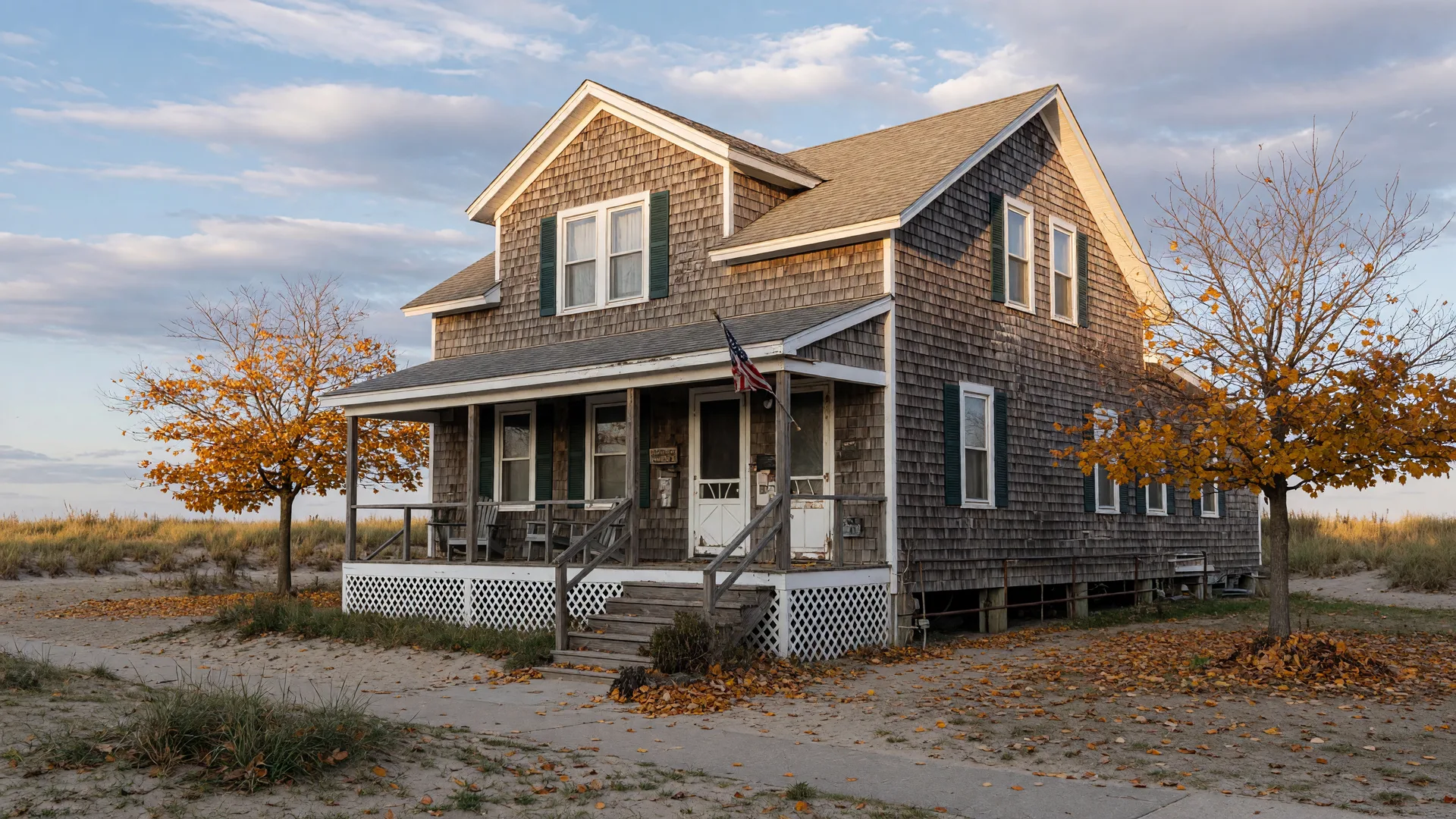
Start winterizing your South Jersey home before the first hard freeze, not after it. Along the Atlantic County coast, the average first frost in Atlantic City arrives around November 14, and the first freeze usually holds off until late November. Inland Pinelands towns such as Estell Manor can see a first freeze as early as mid-October.
The practical window for most shore homeowners is late October through mid-November: protect pipes, service the heating system, seal drafts, clear gutters, and get ready for nor'easter season, which is most active from September through April.
This guide is written for homeowners across Atlantic County and the Jersey Shore, with special attention to barrier-island towns like Brigantine, Ventnor, Margate, and Longport, plus seasonal owners, landlords, and sellers preparing a property for the off-season market.
Quick answer: Begin winter prep in late October so the work is done before the first hard freeze. On the coast, the first freeze typically arrives in late November; inland Pinelands communities can freeze in mid-October. Prioritize pipes and heating first, then gutters, drafts, wells and septic, and coastal storm readiness. If you plan to sell this winter, a warm, dry, well-lit home shows better and avoids last-minute surprises at inspection.
What This Article Covers
- When to start winterizing in South Jersey
- Why winter prep matters on the Jersey Shore
- Pipes, plumbing, and irrigation
- Heating, chimneys, and carbon monoxide safety
- Private wells and septic systems
- Roof, gutters, and drainage
- Windows, doors, and drafts
- Coastal storm preparation
- Flood insurance and winter storms
- Second homes and seasonal properties
- Winterizing before you sell
- Key takeaways
- Frequently asked questions
- Next steps for your shore property
When should you start winterizing a South Jersey home?
Plan to finish the work before the first hard freeze, and start several weeks earlier so you are not racing a cold snap.
NOAA 1991-2020 climate normals put the average first frost (36°F) in Atlantic City at November 14, with Pleasantville's first frost falling in the November 11-20 window. The National Weather Service places the first frost for most of the Jersey Shore between roughly November 8 and November 17. The first hard freeze (32°F) arrives later near the water, typically late November on the coast, while inland Atlantic County Pinelands communities can freeze around mid-October.
What that means in practice: a home in Hammonton or Estell Manor should be buttoned up earlier than a home on the ocean side of Ventnor or Longport. If you own a seasonal property you close up each year, treat Columbus Day weekend through early November as your working window.
Why winter prep matters on the Jersey Shore
Winter on the New Jersey coast is dominated by nor'easters. According to NOAA, these storms can occur any time of year but are most frequent and most severe between September and April, with the peak season running roughly December through April. They bring strong northeast winds, rain or snow, coastal flooding at high tides, and beach erosion.
Snowfall near the coast is lighter than inland: Atlantic City averages about 13 inches of snow per winter, and January is the coldest month, with average highs near 43°F and average lows near 28°F. The combination of freezing temperatures, wind-driven rain, and high-tide flooding is what damages shore homes, which is why the prep list below starts with water and heat.
Pipes, plumbing, and irrigation
Frozen pipes are the most common and most expensive winter failure in shore homes, especially in raised, unheated crawlspaces and exterior walls.
- Disconnect and drain outdoor hoses and hose bibs. Close the interior shutoff valve for exterior faucets, drain the line, and leave the outdoor valve open so trapped water can escape.
- Blow out the irrigation system. Lawn sprinkler lines hold water all winter unless they are professionally blown out; freezing water expands and cracks pipes and heads.
- Insulate exposed pipes. Add pipe insulation or heat tape to lines in crawlspaces, garages, and exterior walls, and seal any gaps where cold air reaches plumbing.
- Know your main shutoff. Everyone in the household should know where the main water valve is and how to close it in an emergency.
- Keep cabinet doors open under sinks on the coldest nights so warm air reaches the pipes, and let faucets drip if temperatures are expected to stay well below freezing.
Heating, chimneys, and carbon monoxide safety
Have your furnace or boiler serviced before the first cold stretch. A tune-up catches cracked heat exchangers, failing igniters, and dirty burners while you still have time to schedule a repair.
- Replace the filter and check the thermostat, including batteries in programmable or smart units.
- Test carbon monoxide and smoke detectors and replace batteries. New Jersey requires CO alarms in homes with fuel-burning appliances or attached garages.
- Have chimneys and wood stoves inspected and cleaned if you burn wood, and confirm the flue opens and closes properly.
- Check the oil or propane tank and schedule a fill early. If the property has an underground heating-oil tank, read Derek's guide to selling a house with an underground oil tank before any winter service work.
Private wells and septic systems
Many mainland South Jersey homes rely on private wells and septic systems, and both need winter-specific care.
For a private well, insulate exposed pipes between the well and the house, keep any well pit or pump house above freezing, and confirm the pressure tank and controls are protected. A well that freezes can cut water to the whole house at the worst possible time.
For a septic system, have the tank pumped before winter if it is due, avoid parking vehicles or equipment over the tank and drain field, and keep the area clear so snow removal does not push heavy loads onto the field. A frozen or damaged drain field is an expensive spring surprise.
If you are buying or selling a home on a private well, New Jersey's Private Well Testing Act requires a certified test before most sales close. That requirement applies year-round, but winter is a good time to confirm the paperwork is in order.
Roof, gutters, and drainage
Water is the enemy of a shore home in winter, and most of it arrives from above.
- Clean gutters and downspouts after the leaves fall, and make sure downspouts extend several feet away from the foundation.
- Inspect the roof for loose or missing shingles, damaged flashing, and worn seals around vents and skylights before wind-driven rain arrives.
- Prevent ice dams by sealing attic bypasses and confirming attic insulation and ventilation are adequate, so heat does not melt snow on the roof and refreeze it at the eaves.
- Check grading and sump pumps. Ground should slope away from the foundation, and a battery-backup sump pump protects a basement during a power outage.
Windows, doors, and drafts
Drafty windows and doors raise heating bills and make rooms feel cold even when the furnace runs constantly.
- Add or replace weatherstripping around doors and operable windows, and check door sweeps at the bottom of exterior doors.
- Install storm windows or window film on older single-pane windows, and close storm doors where present.
- Seal gaps around pipes, wires, and vents entering the house with caulk or spray foam, and check the attic hatch for a weatherstripped cover.
- Consider a smart thermostat that lowers the temperature when the house is empty and warms it before you arrive, which matters for weekend shore homes.
Coastal storm preparation for shore properties
Nor'easters can push water into streets and under raised homes even when the storm is mostly rain. Coastal flooding happens at high tides during a storm, so the calendar matters as much as the forecast.
- Test sump pumps and generators before the season, and keep fuel for a generator stored safely outside the living space.
- Secure or store loose outdoor items: furniture, grills, planters, and holiday decorations become projectiles in high winds.
- Know your flood zone and elevation. Homes in FEMA flood zones face higher flood insurance requirements and greater storm risk. Derek's flood insurance and flood zone guide explains what buyers and owners should check.
- Keep an emergency kit with flashlights, batteries, a hand-crank radio, bottled water, and a list of shutoff locations for utilities.
Flood insurance and winter storms
Flood risk is not seasonal. A winter nor'easter can flood a property just as easily as a summer storm, and standard homeowners policies do not cover flood damage. If you carry flood insurance, review your coverage and renewal before the peak storm months; if you do not, talk to an agent about whether your property needs it.
Sellers should also remember that New Jersey has required specific flood-risk disclosures on residential sales since March 20, 2024. The disclosure covers FEMA flood-hazard-area information and the seller's actual knowledge of flooding. Winter storm flooding can affect what a seller must disclose, so document any water intrusion now, not at contract time.
Second homes and seasonal properties
If you close a shore house for the winter, the stakes are higher because nobody is there to catch a problem early.
- Keep the heat at a minimum of 55°F or shut off and drain the entire system with professional help. A 55°F setting protects pipes without wasting energy, and many insurers require a minimum temperature in vacant homes. Check your policy.
- Shut off and drain the water system if the house will sit empty in freezing weather, including the water heater, toilets, and traps where practical.
- Arrange for a neighbor or service to check the property after major storms, and consider a leak and freeze detector that sends an alert to your phone.
- Remove food and trash that attract pests. For the rest of the autumn pest list, see Derek's fall pest guide for South Jersey homeowners.
What winterizing means if you plan to sell
Buyers who tour homes between November and March tend to be serious: they are not browsing on a summer vacation, they are making a move. A winterized home shows that advantage.
A warm, dry, well-lit interior photographs better and signals that the property has been maintained. A home with frost-damaged pipes, a failed furnace, or visible water stains tells the opposite story, and those issues surface at inspection or in the seller's disclosure.
Sellers should also confirm their municipality's requirements before listing. Some Atlantic County towns require a certificate of occupancy or a municipal inspection at resale, and the checklist varies by town. Derek's Atlantic County town-by-town inspection guide walks through who requires what. For waterfront and barrier-island properties, the waterfront seller's guide and the Brigantine barrier-island seller's guide cover flood zones, elevation certificates, and seasonal timing.
If you are weighing a fall or winter listing, the post-Labor Day market outlook explains how buyer activity and pricing shift after the summer season.
Key takeaways
- Timing: first frost around November 14 in Atlantic City, first freeze in late November on the coast and mid-October inland. Finish prep before the freeze.
- Priorities: pipes and heating first, then gutters, drafts, wells and septic, and storm readiness.
- Storms: nor'easters are most active September through April, and coastal flooding can occur at any high tide during a storm.
- Insurance: flood risk is year-round; review flood coverage before the peak storm months.
- Sellers: a winterized home shows better, avoids inspection surprises, and supports a smoother closing with municipal inspections and flood disclosures.
Frequently asked questions
When should I winterize my Jersey Shore home?
Start in late October and finish before the first hard freeze: late November along the coast, mid-October in inland Pinelands communities. Pipes and heating should be done first.
Do I need to drain my sprinkler system before winter?
Yes. Irrigation lines hold water all winter unless they are blown out. Freezing water expands and can crack underground pipes and sprinkler heads.
What temperature should a vacant shore house be kept at in winter?
A minimum of 55°F protects pipes without wasting energy, and many insurers require a minimum temperature in vacant homes. Check your policy, or shut off and drain the system with professional help.
Is flood insurance needed in winter?
Flood risk is not seasonal. Nor'easters can cause coastal flooding from September through April, and standard homeowners policies do not cover flood damage. Review your coverage before the peak storm months.
Can I sell a shore home during the winter?
Yes. Off-season buyers tend to be serious, and a warm, dry, well-lit winterized home shows well. Confirm your municipality's certificate of occupancy or inspection requirements before listing.
Next steps for your shore property
Winterizing protects your home, your budget, and your peace of mind. If you own a shore property, a seasonal home, or a property you are thinking about selling this winter, I can help you think through the prep list, the local market, and what buyers in your town are looking for.
Ask me about preparing your property for winter, reviewing your options before a spring listing, or getting a current read on your home's value in the off-season market.
Sources & References
Derek Doernbach, REALTOR®
Century 21 Action Plus Realty | Your Jersey Shore Team
DerekDoernbach.com | Serving the Jersey Shore and Southern New Jersey since 2016
This article provides general educational information, not legal, insurance, or professional contracting advice. Freeze dates are averages, not guarantees. Consult qualified professionals for your specific property, and check your insurance policy and municipal requirements.